
TECHNOLOGICAL CAPABILITY
Benefits of Antifouling Coatings for Propellers and Rudders
Ships and Propellers
In order to propel a vessel, engine power must be converted into thrust in the water. A propeller is the primary source of thrust generation, and propellers are manufactured in sizes and shapes appropriate for each vessel type, ranging from small propellers with diameters of approximately 15 cm for small craft to propellers exceeding 10 m in diameter for large commercial vessels.
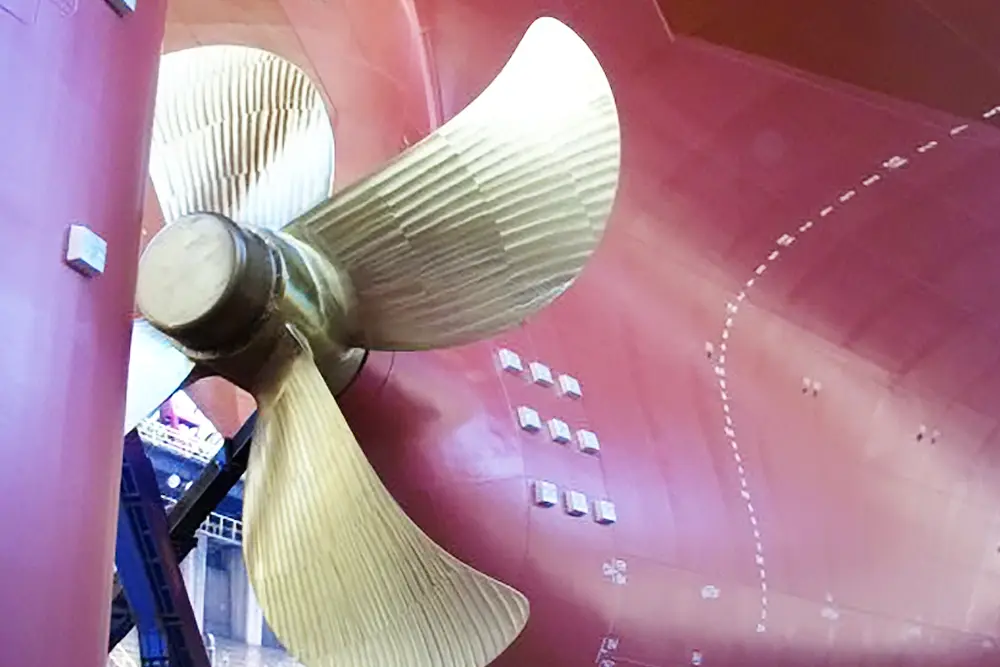
Propellers for large vessels
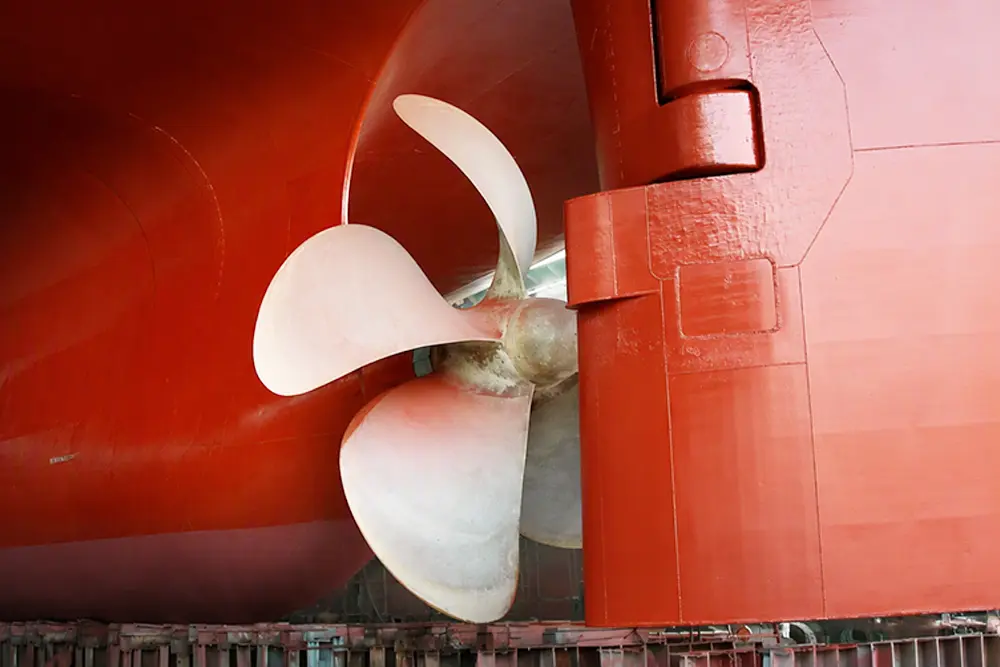
Propellers for small craft
Propeller Fouling and Its Impact on Vessel Performance
Propellers play a vital role in generating the thrust required to move a vessel through the water. During normal operation, their continuous rotation helps reduce the accumulation of marine growth. However, when a vessel remains moored or idle for extended periods, marine organisms such as barnacles can attach to the propeller surface.
Even a relatively small amount of fouling can increase hydrodynamic resistance, reducing propulsion efficiency and resulting in higher fuel consumption. In severe cases, fouling may also lead to increased emissions and operating costs.
Clean propeller

Fouled propeller

Evaluation of Propeller Performance Under Actual Operating Conditions
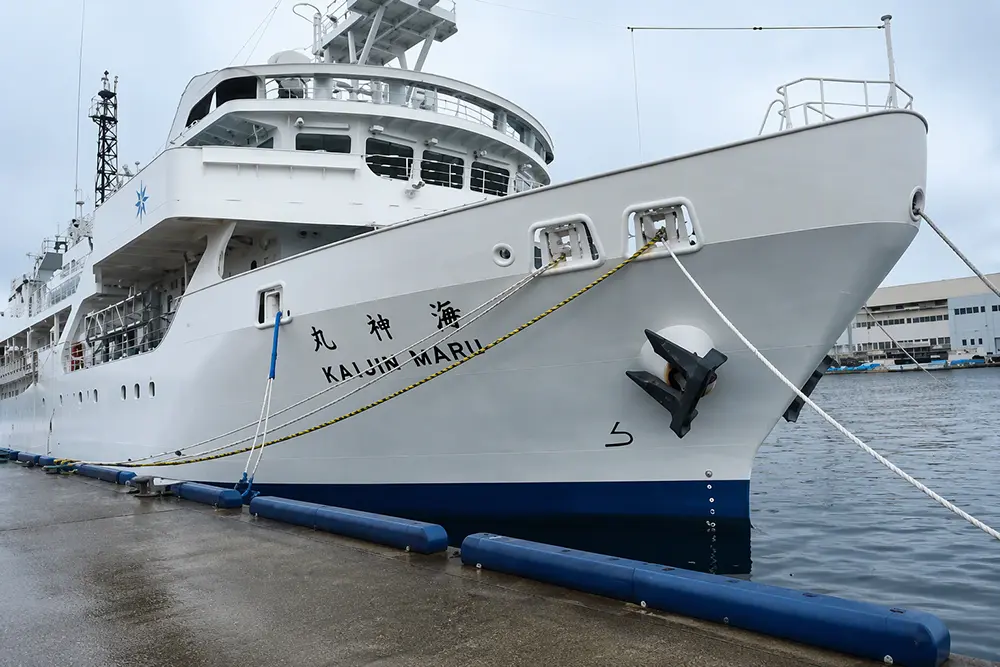
The following results demonstrate the impact of propeller fouling on vessel performance. The subject vessel is a training ship moored in the inner area of Osaka Bay. Compared with conventional merchant vessels, it operates at an extremely low utilization rate and is exposed to an environment with a high risk of biofouling.
An underwater drone inspection conducted immediately before the summer research voyage confirmed that no fouling was present on the hull coated with our low-fuel-consumption antifouling coating, SEA PREMIER 3000 PLUS. However, significant biofouling was observed, as shown in the attached image, particularly on the uncoated areas of the controllable-pitch propeller where antifouling coating had not been applied.
Unpainted propeller after contamination
Propeller shaft
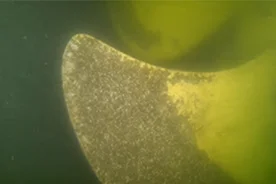
Propeller pressure side
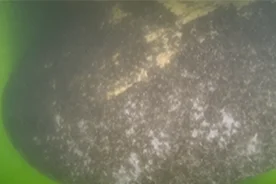
Propeller suction side
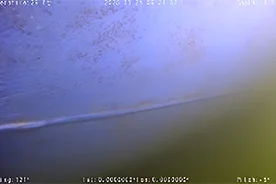
The aft hull surface
As shown in the figure below, the Power Increase Ratio (PIR) measured during the summer research voyage reached nearly 39% at a vessel speed of 12 knots. The increase in required power was so significant that testing at maximum engine output had to be discontinued.
As no factors other than propeller fouling could be identified as a cause of the performance deterioration, the propeller was cleaned and inspected using an underwater drone on October 8, 2025. A follow-up performance evaluation was then conducted to verify the effect of the cleaning.
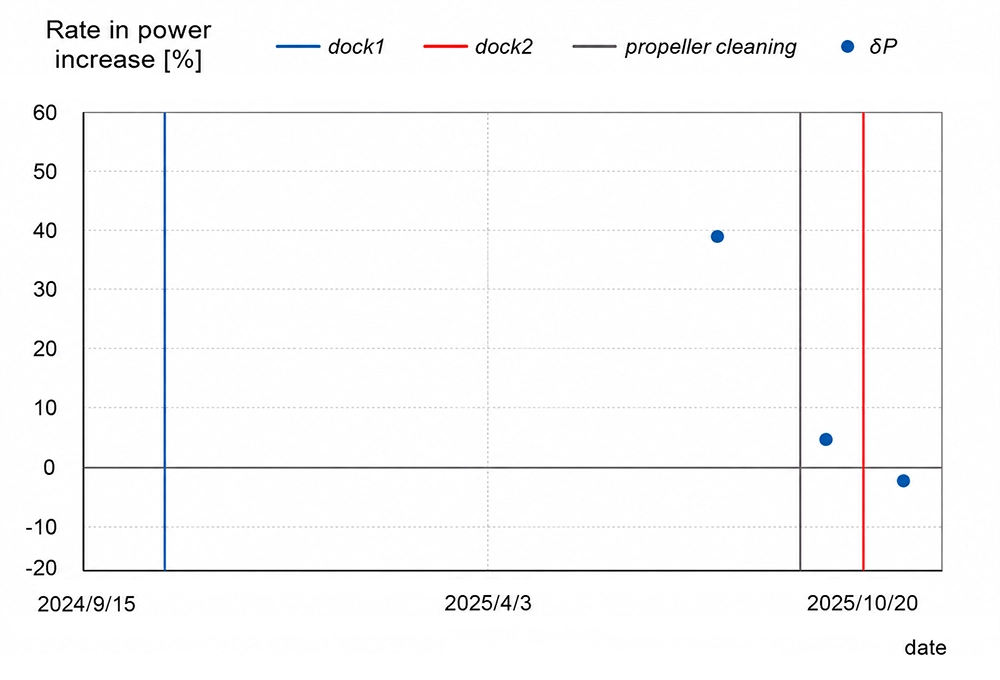
Horsepower increase rate and cleaning frequency
As a result, the PIR improved from nearly +39% to approximately +5%. The approximately 34-point reduction achieved through cleaning alone clearly indicates that propeller fouling was the primary cause of the performance loss.
Furthermore, as shown in the images below, biofouling was effectively suppressed on the antifouling-coated areas of the propeller, and any attached organisms were easily removed during cleaning. These results demonstrate that antifouling coatings help maintain propeller performance while also reducing the effort required for maintenance and cleaning.
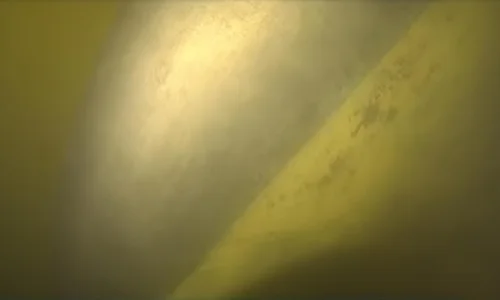
Propeller pressure side (After cleaning)
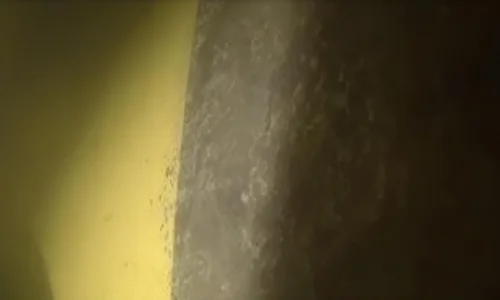
Propeller suction side (After cleaning)
The Japan Society of Naval Architects and Ocean Engineers Spring Conference (May 28, 2026)
“Evaluation of the Effects of Biofouling on Hull and Propeller Surfaces of a Multifunctional Training Vessel”
As demonstrated above, once fouling develops on an uncoated propeller, marine organisms may remain attached even after the vessel resumes operation, making cleaning necessary in many cases. Consequently, demand for antifouling coatings that prevent fouling during extended berthing periods has increased in recent years.
Our silicone coating for propellers offers three key characteristics: excellent surface smoothness, elasticity, and low surface free energy.etc. These properties provide outstanding fouling-release performance by reducing marine organism attachment and promoting their removal.
The coating has also gained attention as an effective antifouling solution for propellers, offering excellent adhesion and durability while maintaining its coating integrity even under the severe conditions created by high-speed propeller rotation.
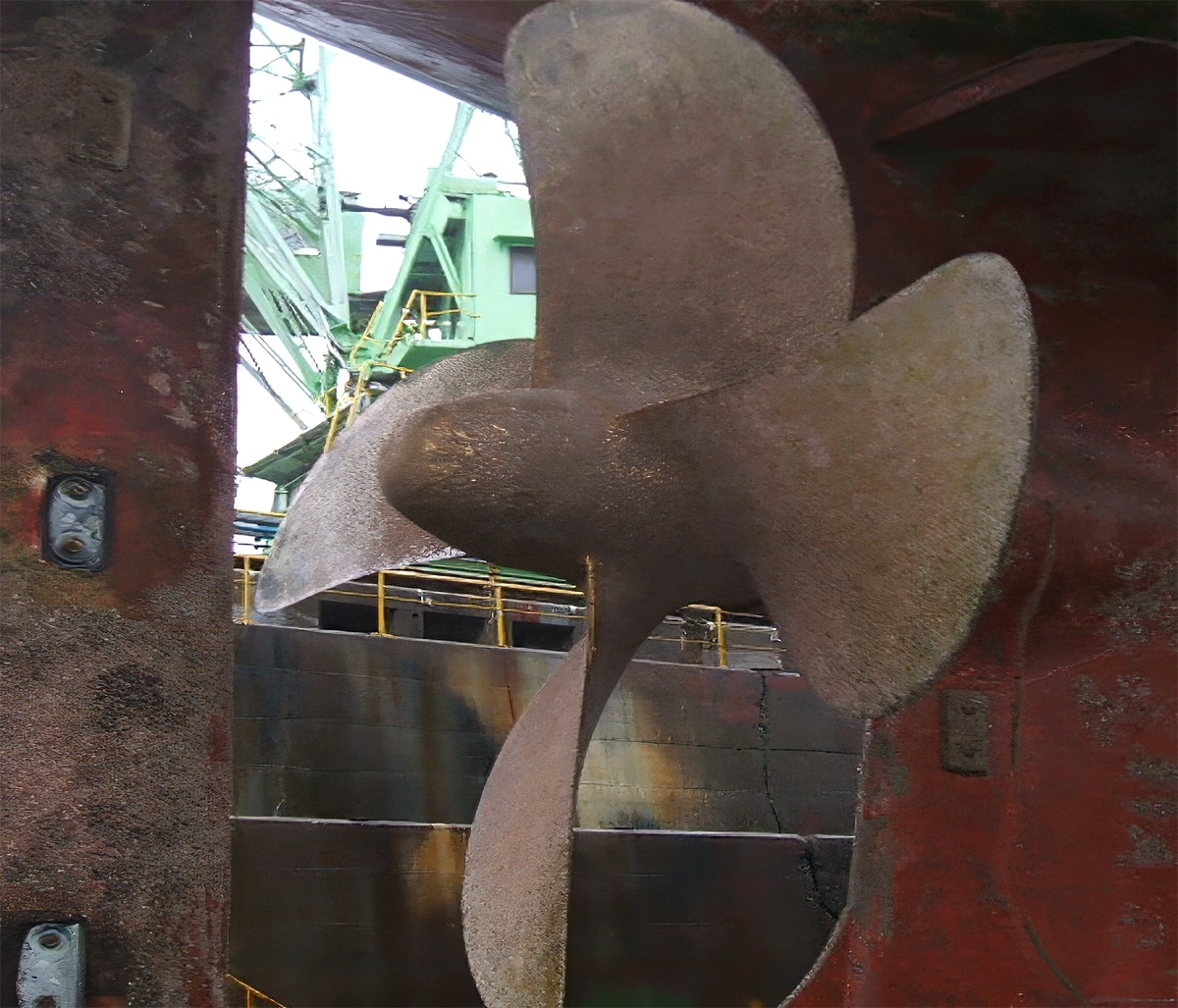
Uncoated propeller after biofouling
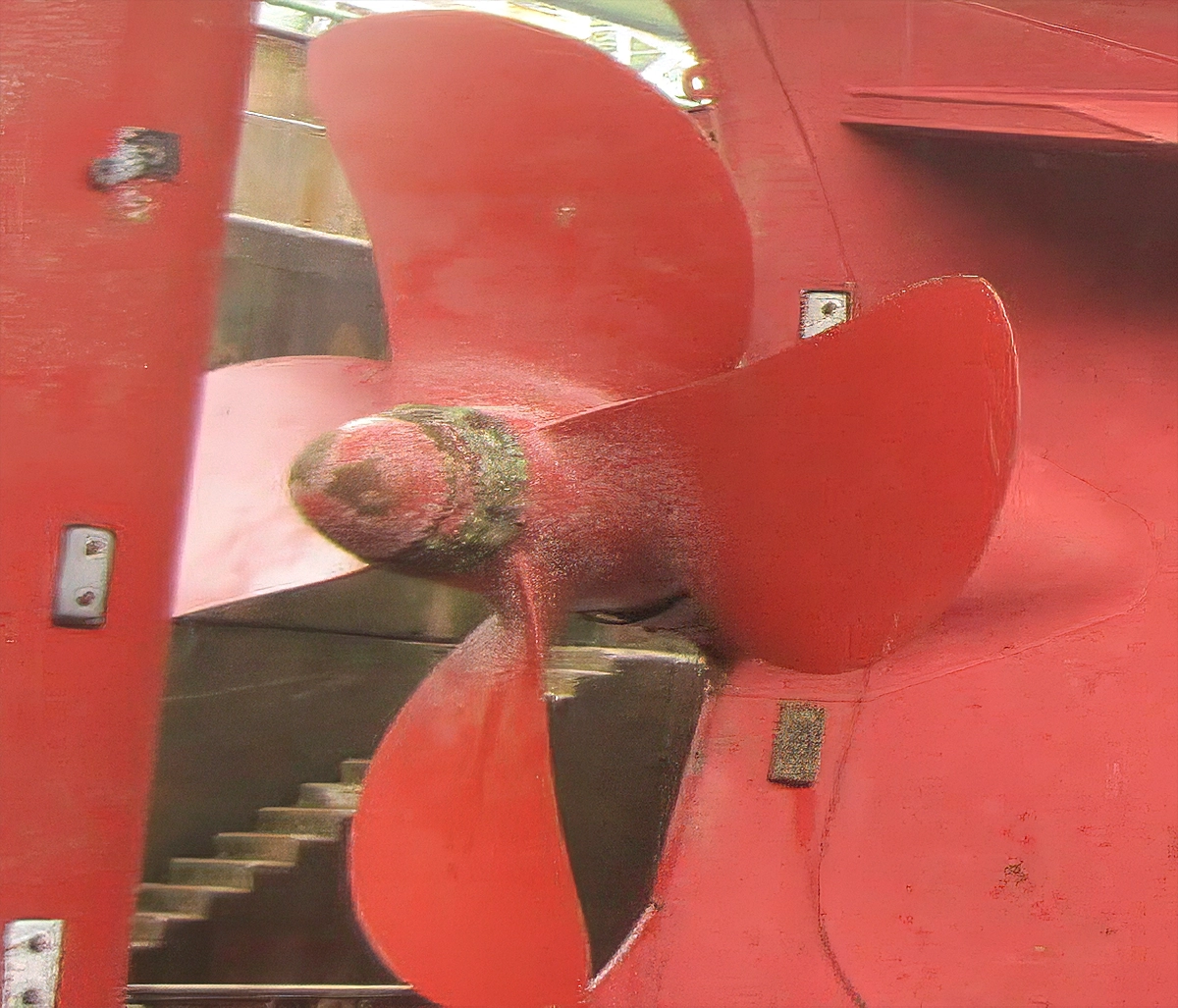
After application of silicone coating for propellers