TECHNOLOGICAL CAPABILITY
Benefits of Antifouling Coatings for Propellers and Rudders
Application to Rudders and Cavitation Protection
Mechanism and Impact of Cavitation on Ship rudders
A Rudder plays a critical role in controlling a vessel's direction and is commonly located in close proximity to the propeller. Under certain operating conditions, the high-speed propeller wake can generate cavitation on the rudders surface. The repeated collapse of cavitation bubbles creates intense localized forces that can damage coatings and, in severe cases, erode the steel substrate. As a result, effective cavitation protection is essential for maintaining rudders integrity and reducing maintenance requirements.

Studies have shown that flexible and elastic silicone coatings provide better resistance to cavitation damage than hard coatings with high film hardness. For this reason, silicone coatings are increasingly used to protect rudders from cavitation damage while helping to extend maintenance intervals and improve durability.
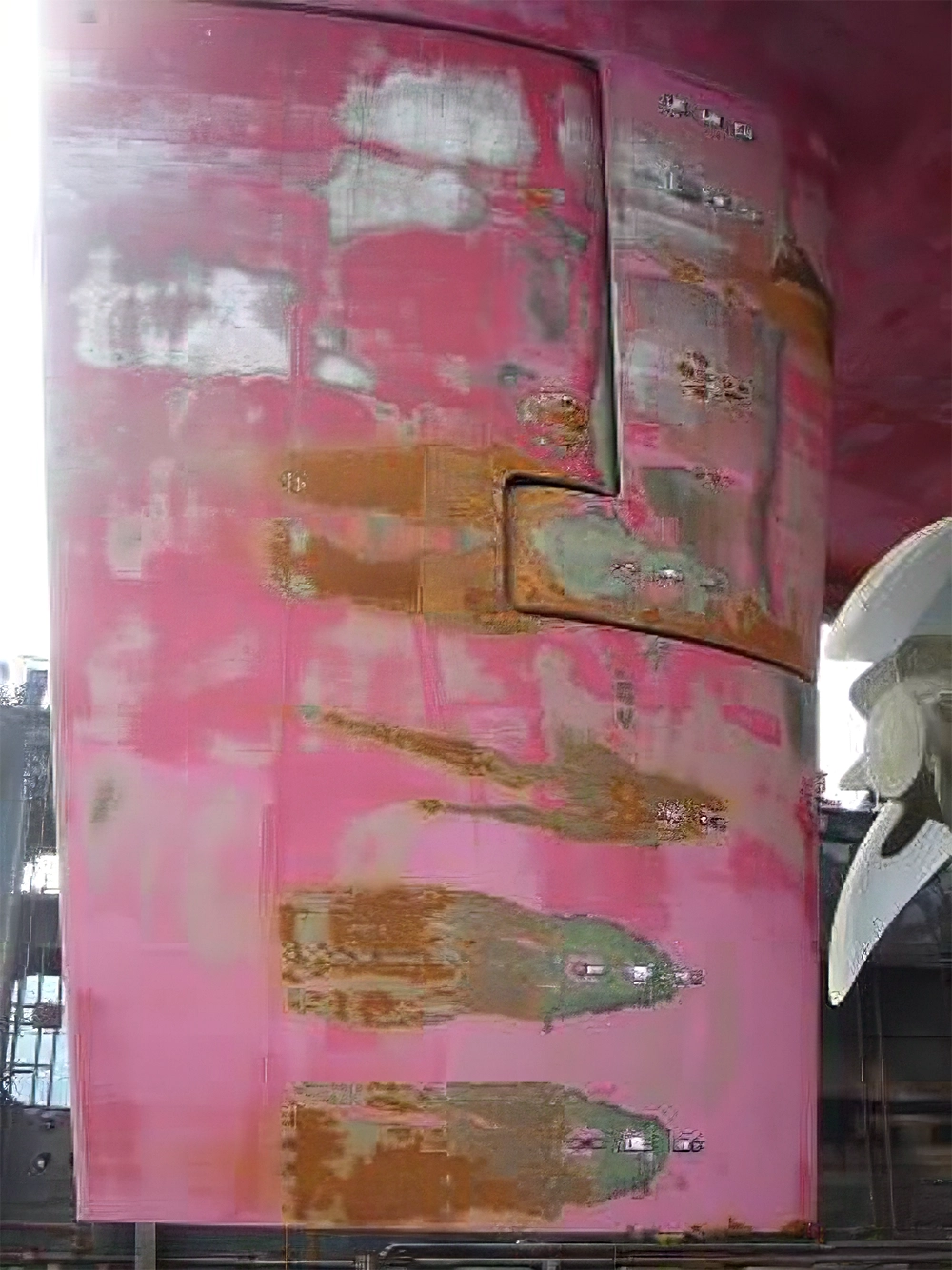
Rudders exhibiting cavitation damage
(Glass-flake reinforced epoxy coating + Self-polishing antifouling coating)
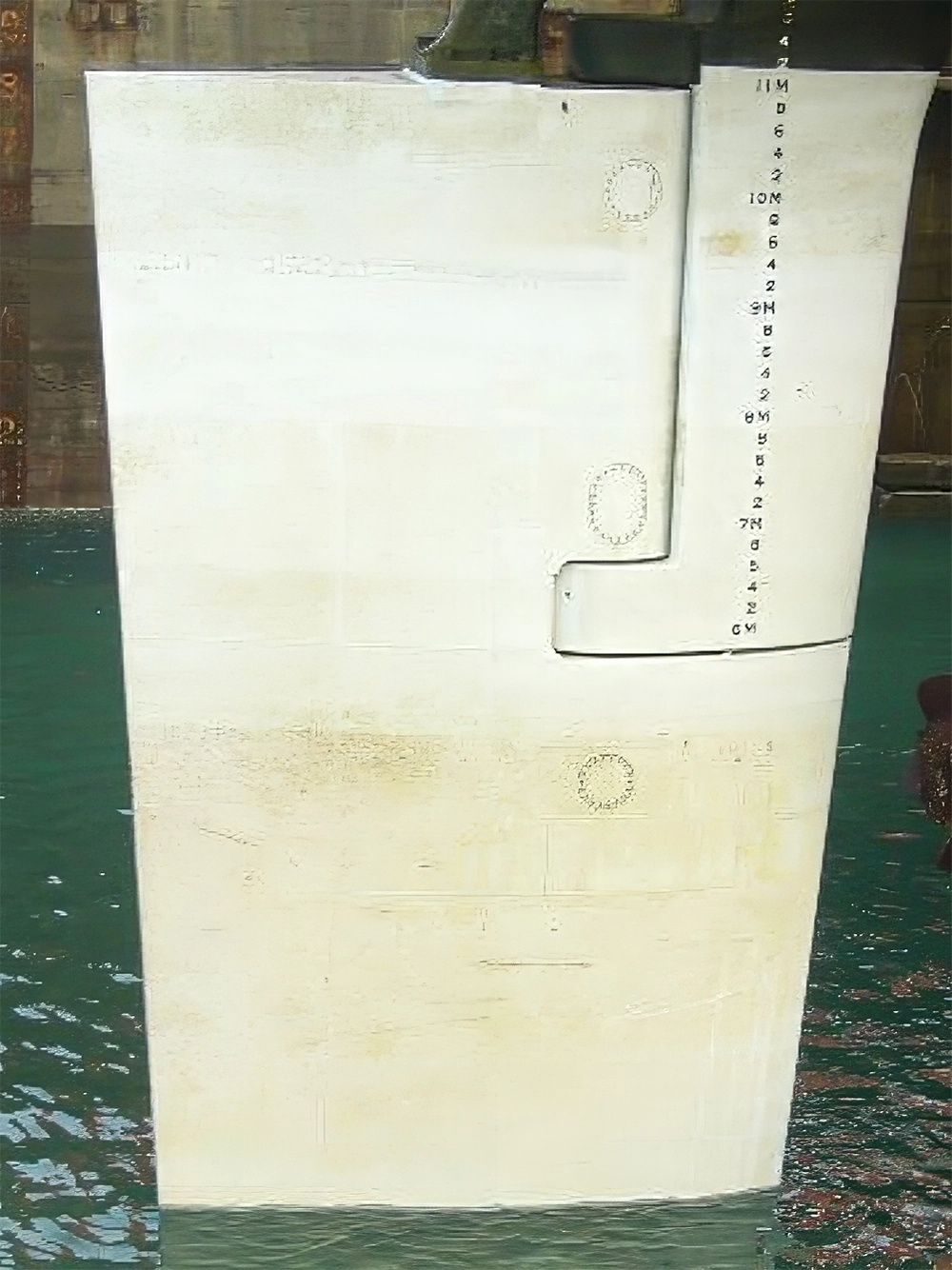
Condition of the rudders after silicone coating application
(Both photographs show the condition after approximately 30 months of operation following coating application.)
Evaluation of Cavitation Resistance of Coating Films
The photographs below show the results of cavitation simulation testing. The test compares a glass-flake reinforced epoxy coating, characterized by very high film hardness, with a silicone coating designed for propellers. Severe coating failure due to cavitation was observed in the glass-flake reinforced epoxy coating. In contrast, the silicone coating for propellers exhibited excellent elasticity and adhesion, with no coating failure caused by cavitation.
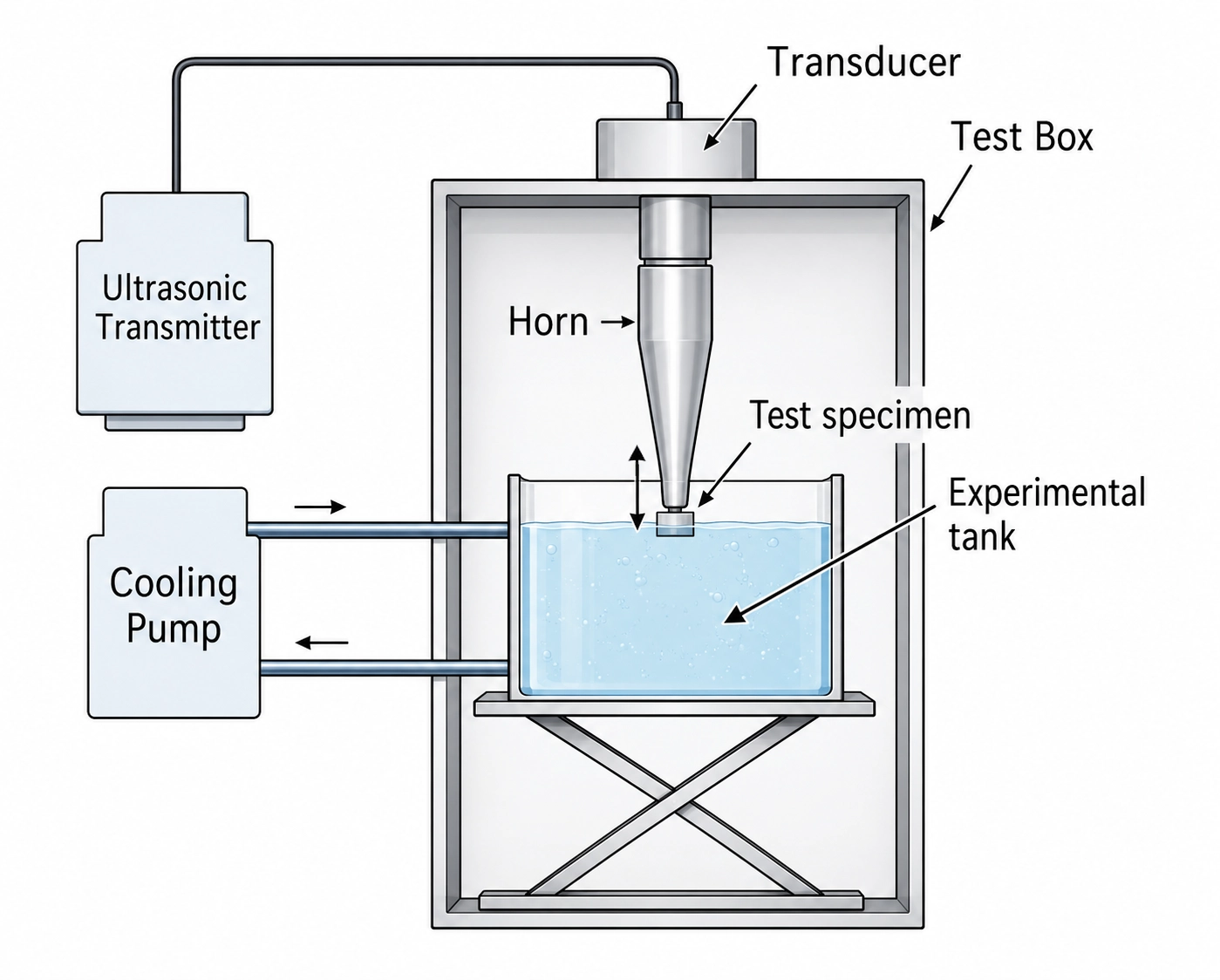
Cavitation test apparatus (ASTM G32-06)
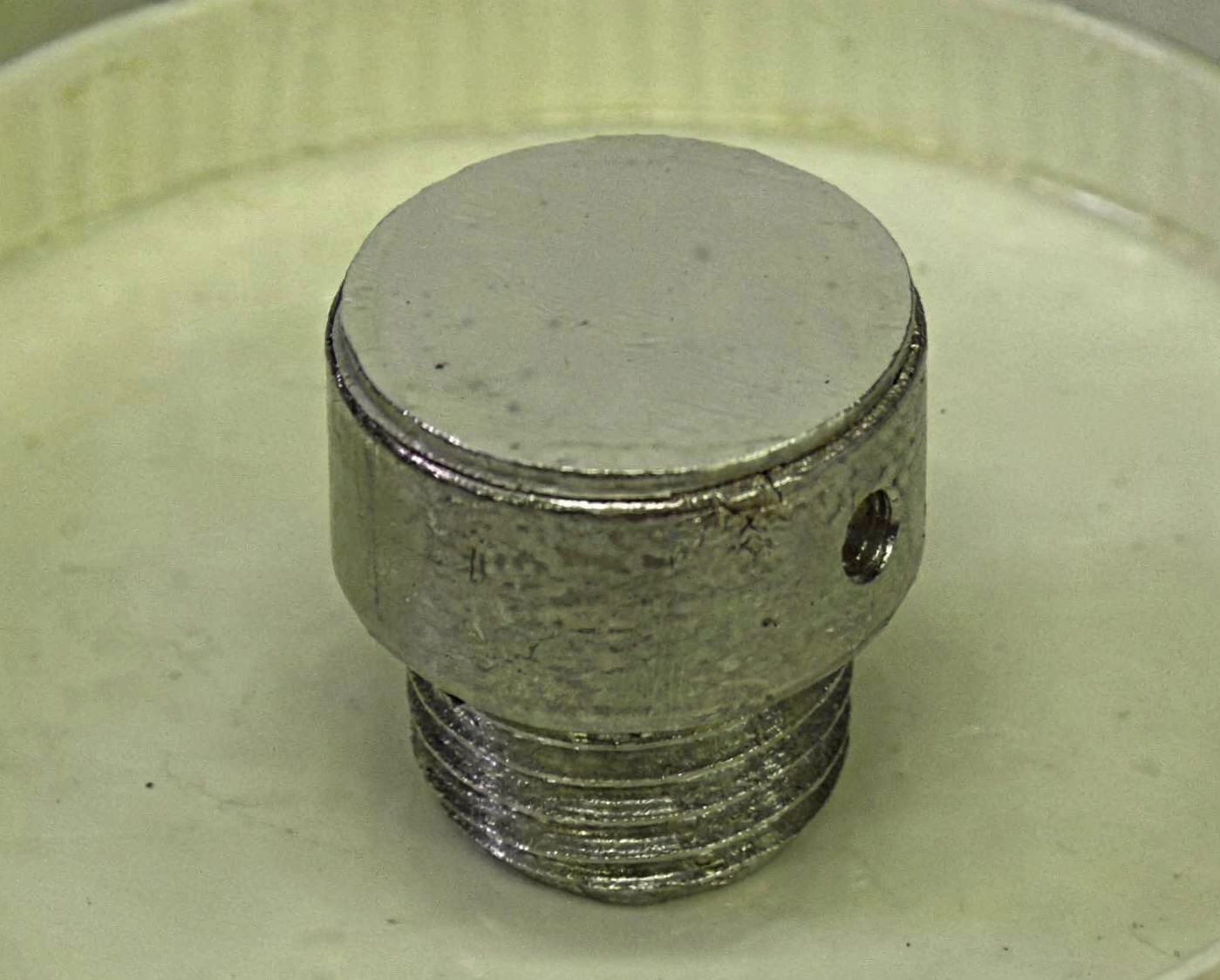
Test specimen (coated on the upper section)
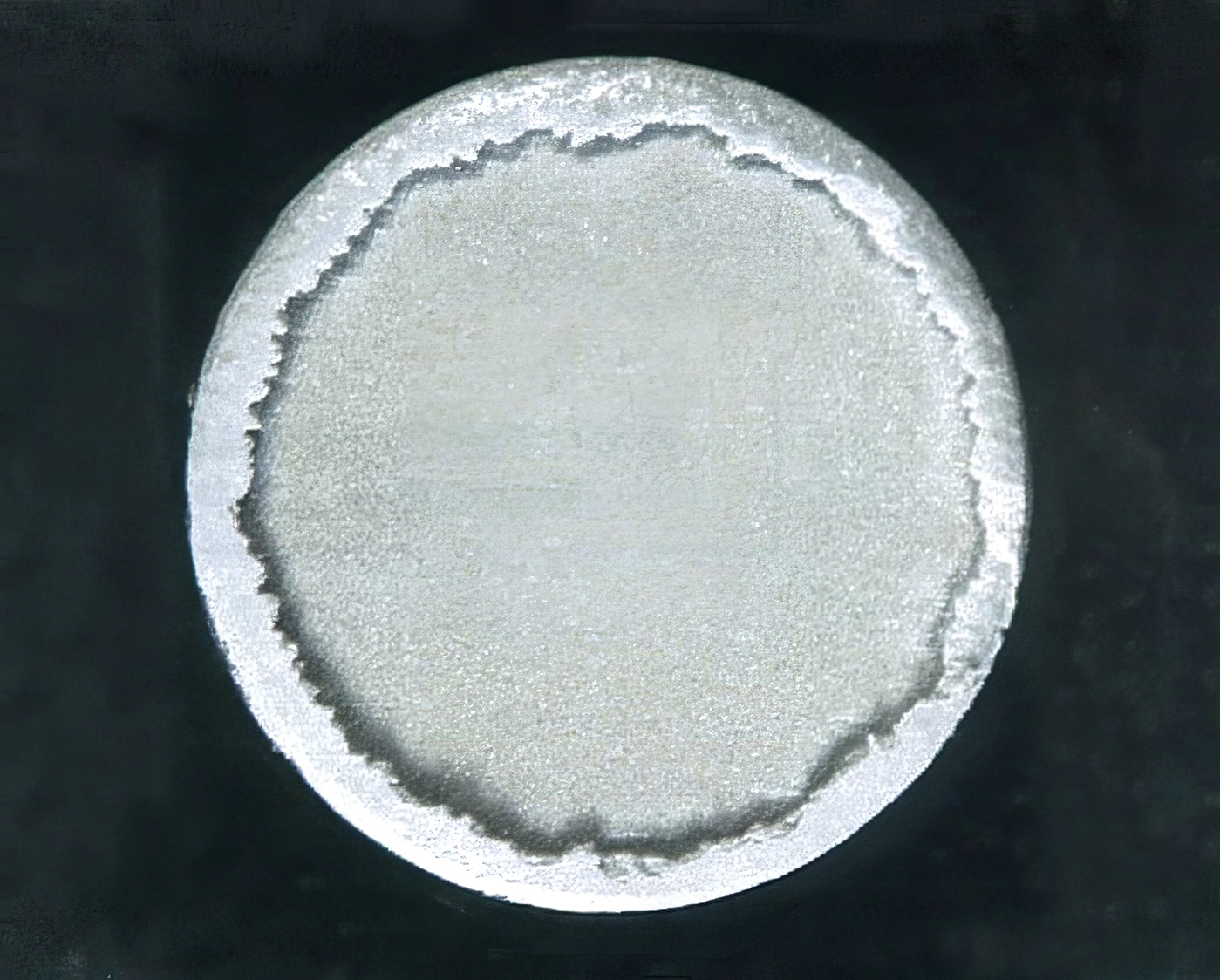
Glass-flake reinforced epoxy coating after testing
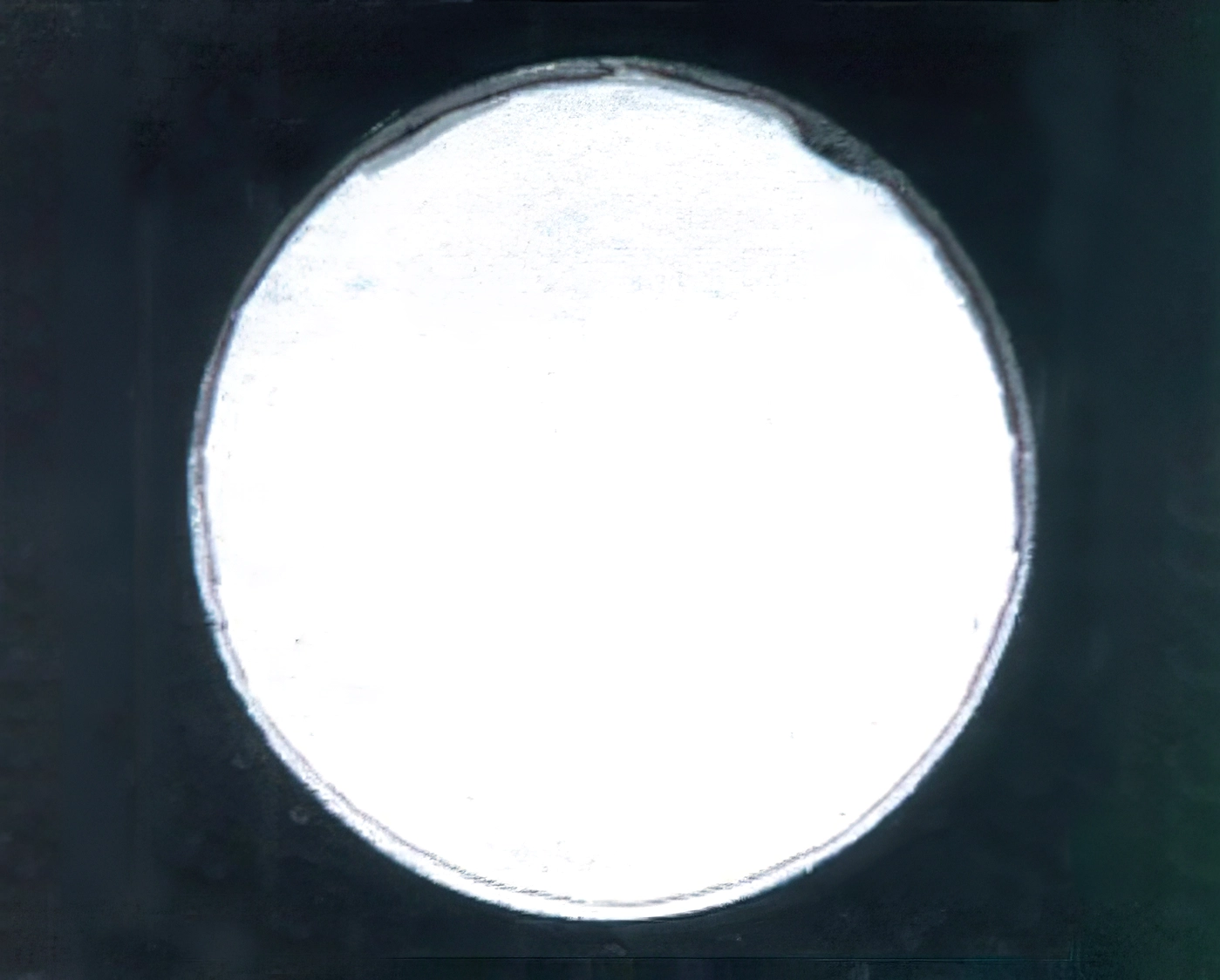
Silicone coating for propellers
These test results demonstrate that silicone coatings are highly effective not only for preventing propeller fouling but also for protecting rudders against cavitation damage. Accordingly, we recommend the application of silicone coatings to both rudders and propellers.
Our Commitment
Our silicone coating for propellers delivers excellent antifouling performance through its surface smoothness, elasticity, and low surface free energy. We aim to contribute to improved fuel efficiency and the reduction of greenhouse gas (GHG) emissions from ships. In addition, by protecting propellers and rudders against cavitation damage, we seek to enhance vessel value and will continue our efforts to provide advanced coating solutions for the maritime industry.